
Touch the Past: How Vilnius Traditional Crafts Stay Alive in Modern Workshops

Touch the Past: How Vilnius Traditional Crafts Stay Alive in Modern Workshops

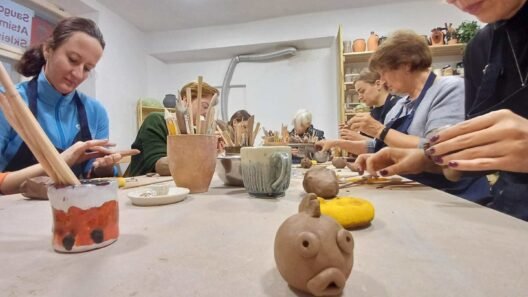
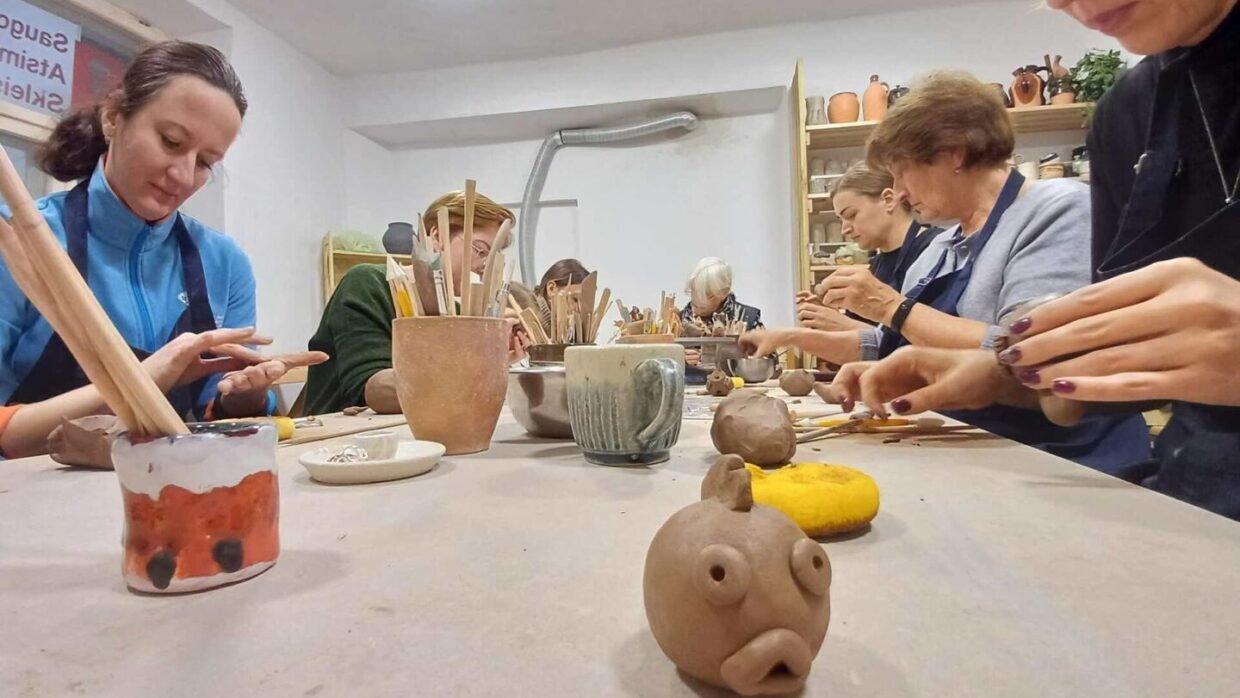
People sculpting clay figures and pottery at a table in a ceramics studio - Vilnius traditional crafts.
Credit: VšĮ "Amatų gildija"
Walking through the cobblestone streets of Lithuania’s capital, it is easy to admire historic architecture from the outside, yet the city’s true cultural heartbeat lives inside its working studios. Preserving Vilnius traditional crafts is far more than a nostalgic nod to history—it is an active, living part of daily urban life supported annually by the Vilnius City Municipality. Through the Vilnius Historical Crafts and Fairs Program, local artisans, educators, and cultural organizations open their doors to residents and travelers alike, inviting everyone to step away from screens, get their hands dirty, and master techniques passed down across centuries.

Inside the Living Workshops of Amatų Gildija

At the forefront of this movement is the public institution Amatų Gildija (Crafts Guild), which leads the municipal-backed initiative “Living Vilnius Crafts: Reconstruction of Traditions and Heritage Education.” Rather than locking historical artifacts behind museum glass, their goal is to revive ancient techniques through practical sessions and public gatherings.
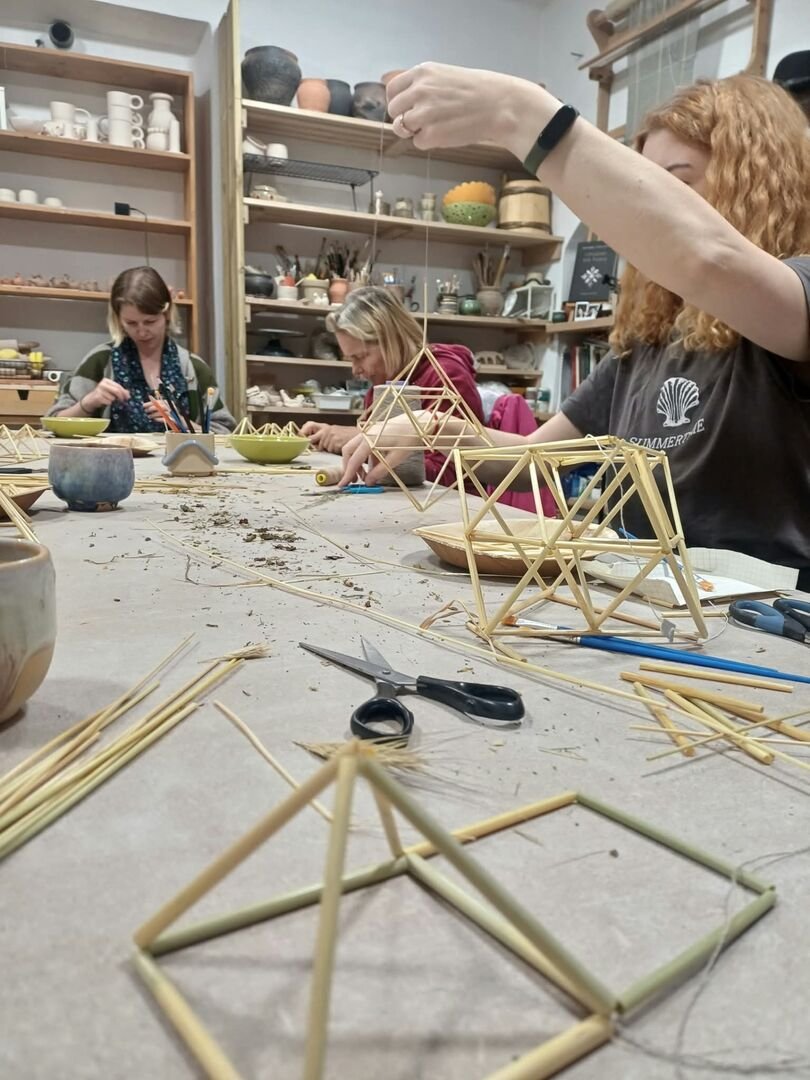
Women crafting traditional geometric straw gardens at a workshop table.
Credit: VšĮ “Amatų gildija”

Visitors can experience this hands-on spirit directly at the open workshop-gallery located at S. Skapo g. 3-34 in Vilnius Old Town. Inside, artisans host interactive workshops covering traditional pottery, wet wool felting, and the intricate tying of Lithuanian straw gardens (šiaudiniai sodai) – geometric hanging ornaments recognized for their deep cultural symbolism. One of the studio’s most fascinating ongoing projects involves reconstructing a historical felted cap based on archaeological finds excavated right on Algirdo Street in Vilnius, carried out in partnership with the Lithuanian National Museum for the exhibition “Tangled Finds.”

From Old Town Studios to Historic Fairs
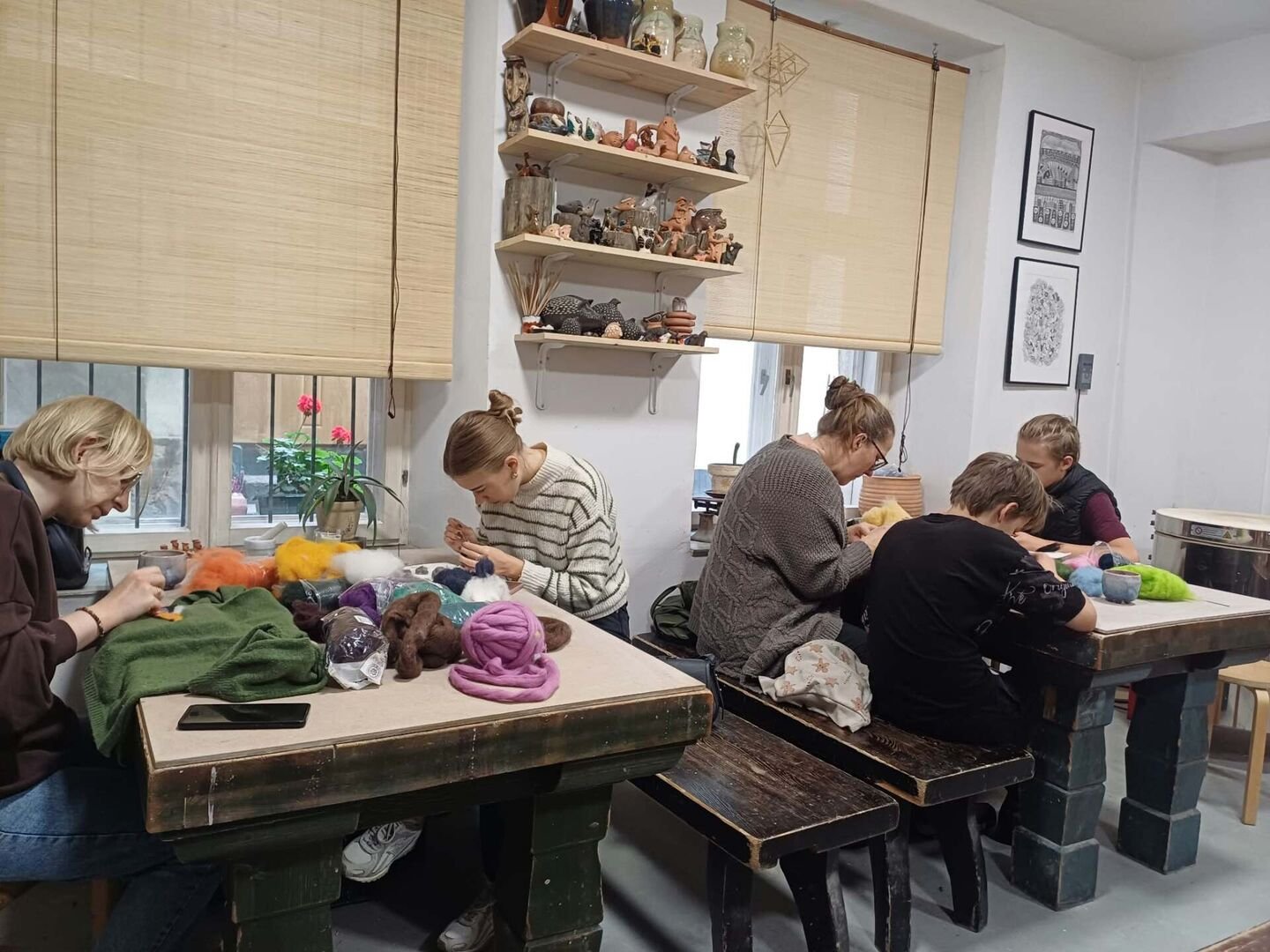
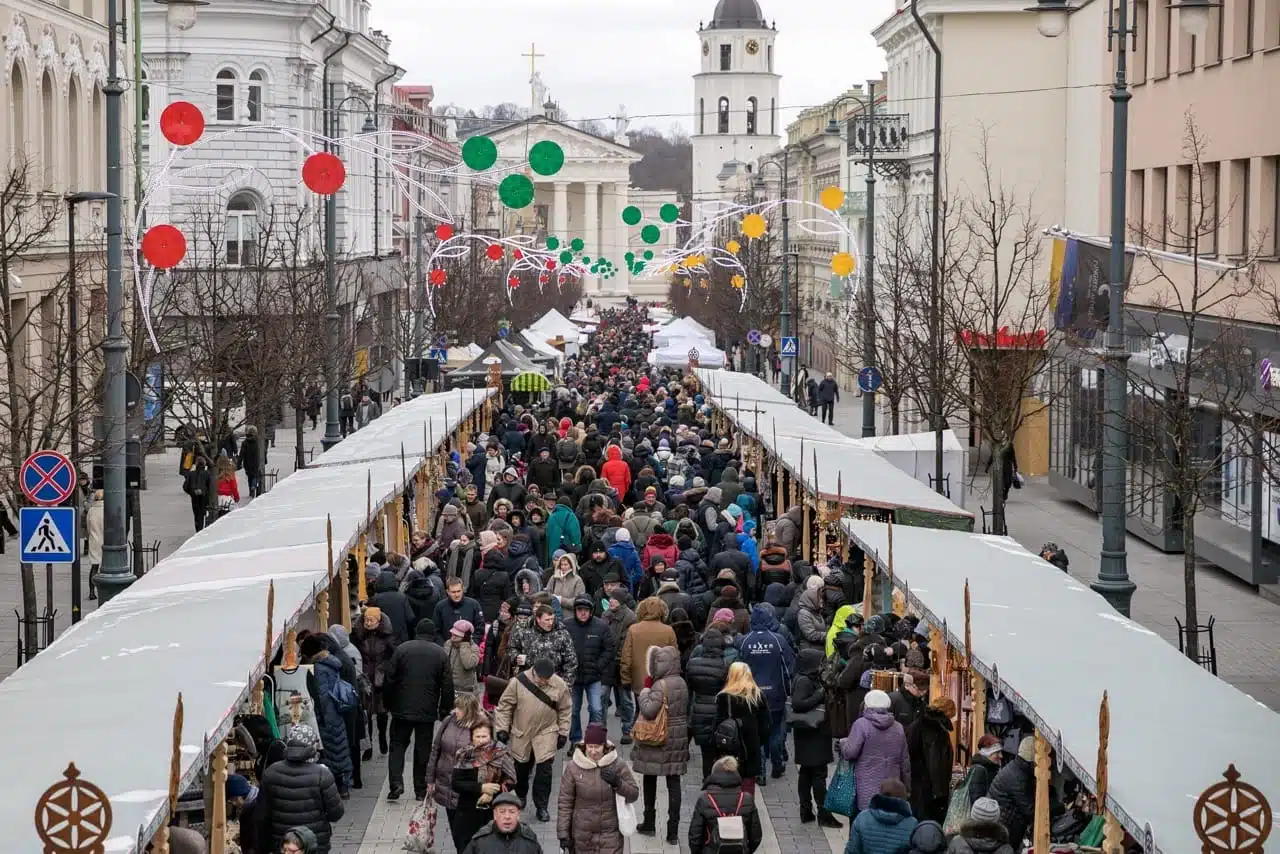
For the makers behind Amatų Gildija, true heritage preservation happens when the public can touch, test, and understand the patience behind every handmade object. Beyond daily studio workshops, the guild takes its craft out into the open air at major regional events. Throughout the year, visitors can watch live demonstrations during European Archaeology Days, the Days of Live Archaeology in Kernavė, the St. Bartholomew’s Fair in Vilnius, and European Heritage Days. Coordinated by the Vilnius Old Town Renewal Agency alongside partners like the experimental archaeology club Pajauta and the artisans’ club Dvaro Meistrai, these events bridge the gap between academic archaeology and approachable public fun.
Group of people needle felting with colorful wool at wooden workshop tables.
Credit: VšĮ “Amatų gildija”

A Diverse Guild of Makers Across the Capital

While Amatų Gildija anchors the Old Town’s open-studio scene, the broader municipal crafts program unites a rich network of specialized guilds, schools, and workshops across the city. Together, organizations such as the Vilnius Potters’ Guild, the Black Ceramics Center, the Vilnensis Jewelry School, Vita Antiqua, G. Rūkas’ stringed instrument and bow workshop, Turiu Idėją, the Amber Gallery, Vladas Daškevičius’ weaving studio Auskim, Sauluva, the Meno Niša gallery, and the Nauja Sirena Crafts and Arts Center keep diverse disciplines thriving.
Across these spaces, master makers preserve the nuances of black pottery, fine jewelry, traditional weaving, stringed instrument luthiery, Baltic amber carving, and vitreous enamel art. Thanks to consistent annual support from the Vilnius City Municipality, these centuries-old skills remain vibrant, accessible, and ready to be passed on to curious hands for generations to come.
Thanks to consistent annual support from the Vilnius City Municipality, these centuries-old skills remain vibrant, accessible, and ready to be passed on to curious hands for generations to come – whether you visit for a hands-on workshop or browse handmade pieces while exploring where to shop for local Lithuanian design.