

Looking for weekend trips in Lithuania that don’t feel like a checklist? The country is small enough that a couple of days can take you from city streets to deep pine forests, from a lakeside sauna to the Baltic coast, or from a familiar tourist stop to a village you’ve probably never heard of. The question isn’t really where to go. It’s what you want to feel when you get there.
So instead of another list of “top 10 places,” here’s a guide to weekend trips in Lithuania, sorted by mood, not by map. Find the one that matches how you feel right now, and start there. Not in the mood to sort by feeling at all? If you just want something close to the city, skip straight to our day trips from Vilnius.
Weekend Trips in Lithuania, Sorted by Mood
I want to disappear
Leave the notifications behind, find a lake, walk through a pine forest and spend the evening in a sauna. This is the classic Lithuanian reset, and Dzūkija is where it works best: the country’s most forested region, home to Punios Šilas, one of Lithuania’s oldest pine forests with trees over 200 years old, and Čepkeliai, the largest raised bog in Lithuania, crossed by a wooden trail through wetlands and pine. Further north, Labanoras Regional Park offers the same kind of scale — forest for as far as you’d want to walk, with almost no roads or noise to break it.
If it’s dark skies rather than deep woods you’re after, head to Molėtai, where the Molėtai Astronomical Observatory runs night-sky programmes that turn an ordinary weekend into something you’ll actually remember. And if you’d rather sit still than walk, Lithuania is quietly rediscovering forest bathing and organised “silent walks” — no distance to cover, just the sounds of the forest, birds, and whatever you usually miss.

This is also the mood where Lithuanians go to forage. Mushroom picking is close to a national pastime, especially in Dzūkija’s forests, and berry season (blueberries in summer, cranberries and lingonberries later) is a real ritual, not just nostalgia. For more on where locals actually go and what they look for, see our guide to mushroom foraging in Lithuania.
I need to see the water
For a proper change of scenery, it’s the Baltic coast or lake country.
The coast beyond Palanga has more range than people expect. Palanga is for those who want restaurants, nightlife and a lively summer atmosphere; Šventoji is quieter and more family-oriented; Nida and the Curonian Spit are the slower, more polished option — dunes, cycling, good food. If you want fewer crowds altogether, look at Karklė, Giruliai, Melnragė, Preila or Pervalka.
Lake country is just as strong. Zarasai, Ignalina and Lake Plateliai in Žemaitija all offer swimming spots, lakeside campsites and space for SUPs and boats, while Molėtai‘s lakes are a favourite for a quiet morning of fishing. Kayaking down a river — the Ūla, Merkys, Žeimena, Lakaja or Minija — is close to a summer tradition here, with routes ranging from a relaxed few hours to a full-day adventure; night kayak and SUP trips, often with lights and a picnic, are increasingly popular too.
For water from a boat rather than in it, the Curonian Lagoon and Nemunas Delta are the places to go — small sailing boats, catamarans and organised cruises around Nida, Dreverna and Mingė. The Delta is also where water meets birdlife: Rusnė‘s waterways and fishing villages, and the bird-ringing station at Ventė Cape, are worth the detour during migration season. Want the view instead of the boat? The observation towers at Dreverna and Uostadvaris look out over lagoons and reed beds, and Parnidis Dune in Nida gives you the Baltic, the lagoon and the dunes all from one spot.

I want to eat well
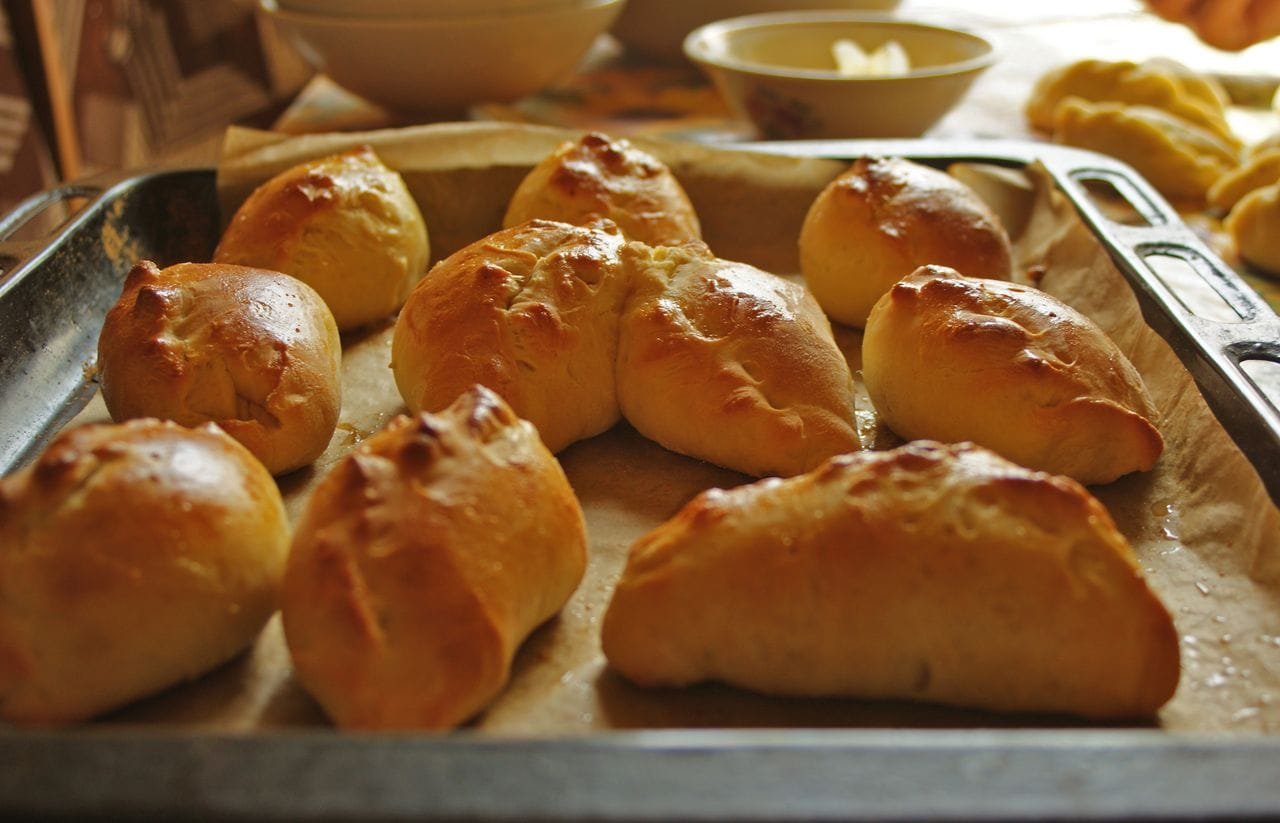
Some weekends are really just an excuse to eat somewhere different. Lithuania has more of these trips than people expect: a manor tea tasting, a monastery lunch by candlelight, a Michelin-starred farm dinner an hour outside Vilnius. Trakai’s kibinai and Karaim cuisine are the obvious starting point, but honestly, the more interesting stops are the ones nobody puts on a top 10 list – vegan cepelinai in Šiauliai, cibulynė in Telšiai, wine tastings at Ilzenbergas. For the full list, see our guide to food trips in Lithuania.
Credit: Pexels
I need to move
Put on your boots and stop overthinking it. Lithuania doesn’t have mountains, but it has enough terrain to fill a real hiking weekend.
Aukštaitija National Park is the classic choice: the Aukštaitija Lakes Trail (~8 km) takes you through the region’s lakes and forests via the Ladakalnis viewpoint, and the Ščiūrys Cape Trail (~10–11 km) follows a peninsula along the water. In Dzūkija, the Merkinė and Čepkeliai trails are wilder — sandy pine forest, river valleys, wetlands. On the coast, the Parnidis Dune Trail in Nida is a short, easy 3 km, while the Juodkrantė–Nida route (~20 km one way) makes a proper full-day adventure through the Curonian Spit’s forests and dunes.
If a day isn’t enough, Lithuania is crossed by long-distance routes: the Camino Lituano (Lithuania’s ~500 km stretch of the St James Way), the Baltic Coastal Hiking Route (E9) from Nida through Klaipėda and Palanga to the Latvian border, and the Forest Trail (E11), which continues into Latvia and Estonia. There’s also a distinctly Lithuanian habit of organised mass hikes — the winter Snaigė hikes around Vilnius are the best-known example, proof that Lithuanians don’t let snow stop them.

Prefer height to distance? A handful of observation towers turn a short climb into a real payoff: Birštonas Observation Tower, the tallest in the country, looks over the Nemunas Loops; Merkinė Observation Tower in Dzūkija National Park overlooks the confluence of the Nemunas and Merkys; and near Anykščiai, the Treetop Walking Path turns the walk itself into the destination.
If you are starting your journey from central Lithuania, there are plenty of options nearby. Take a look at our complete list of weekend trips from Kaunas to discover easy day trips and overnight getaways within an hour or two of the city.
I don’t want to do much at all
That’s a perfectly good weekend. Find a countryside homestead, ideally beside a lake, add a sauna, and let Lithuania’s version of slow travel do the rest. Molėtai and the wider Aukštaitija and Dzūkija regions are full of exactly this kind of place.
If you’d rather spend the weekend between pools and treatments, Birštonas and Druskininkai are the obvious answer — Birštonas pairs spa time with the Nemunas Loops and easy cycling, Druskininkai adds a water park, Snow Arena and forest all around it.
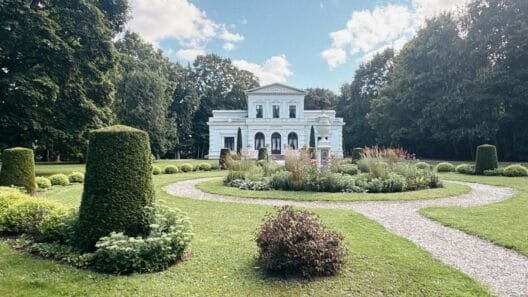
And if “not much” still means an afternoon out, a manor makes a good half-day: Trakų Vokė Manor and Verkiai Manor are both just outside Vilnius, the latter with views over the Neris valley; Užutrakis Manor adds a landscaped park on Lake Galvė; and Liubavas Watermill-Museum is a quieter, more unusual stop for a glimpse of old rural engineering. None of these need more than a few unhurried hours.

I want a bit of history
For a quick dose of it near Vilnius, Medininkai Castle (about 40 minutes out) pairs well with the Aukštojas Hill observation tower, Lithuania’s highest point, and Kernavė — the former medieval capital and a UNESCO World Heritage Site — is roughly the same distance away. Trakai is the easiest all-rounder: the island castle, Lake Galvė, Karaim cuisine and a chance to get on the water, all in one trip.
Around Kaunas, the history runs along the Nemunas. Zapyškis‘s small 16th-century Gothic church stands almost alone in the meadows, just 20 minutes out; further along, the Panemunė castle route takes in Raudonė Castle and the hillforts and river views around Veliuona, with far fewer crowds than Lithuania’s better-known sites. For something stranger, Orvydas Homestead in Žemaitija is an open-air world of stone sculpture built by a family of stonemasons, and Karvės Ola (Cow’s Cave) in Biržai Regional Park lets you climb down into one of Lithuania’s famous sinkholes. Rumšiškės, with its open-air ethnographic museum, is the easiest way to see how people actually lived.

I want a weekend for two
You don’t need a luxury hotel and a tasting menu — sometimes a forest trail, a good dinner and somewhere quiet to sleep are enough.
For something more memorable than a hotel room, Nature Calls puts you in a tent among the treetops, 3.5 metres up, with horses grazing nearby; Passion HUT in the Kretinga district offers a private cabin with an outdoor hot tub; and Rubikiai Lux near Anykščiai pairs a Scandinavian-style stay with lake views and fallow deer visible from your own jacuzzi.
For romance with more history behind it, book a manor in Lithuania for the night: Ilzenberg Manor in Rokiškis district suits couples into food and wine, with its own vineyard and tastings; Paliesius Manor in Ignalina district is more about culture and slow living — concerts, dining, a private spa; and Pakruojis Manor is the grandest and most theatrical, with historic interiors and a large estate.
If switching off together is the whole plan, Mana Sleep & Spa in Druskininkai brings a calm-luxury approach, and EGO SPA in Birštonas is an adults-only, design-led option. Or skip the ground entirely: a sunrise or sunset hot-air balloon ride over the lakes and forests around Vilnius and Trakai, followed by a slow breakfast and an even slower afternoon, is hard to beat.

I want to bring the family
You rarely have to choose between nature and something to keep the kids busy here. Trakai is the easy classic — swim, rent a boat or kayak, visit the island castle, finish with kibinai. For a more active day, Anykščiai packs in forest trails, the treetop walking path and adventure parks, enough to fill a full day rather than “just” a walk.
For a day with animals, skip the traditional zoo: Alpaca Family Park (Alpakų ūkis) near Trakai lets kids meet, feed and pet alpacas in a natural setting, and Perlinių danielių parkas offers the same with fallow deer.

I want Lithuania at its most atmospheric
Every season here has its own version of this, but autumn is the one people mean when they say “atmospheric”: pine forests, mist over the lakes, mushrooms underfoot, yellow birches and the first genuinely cold evenings. Dzūkija and Aukštaitija are hard to beat for it — the same forests as in “I want to disappear,” just at their most dramatic.
Spring brings the same landscapes back to life after winter — the first warm weekend walks through Vingis Park or Verkiai in Vilnius, Ąžuolynas in Kaunas, or any regional park. Summer means long evenings at the lake that don’t really end until dark. Winter turns the whole thing over to ice and sauna — frozen lakes for walking or skating around Aukštaitija and Trakai, and a pirtis session that ends with a plunge into an ice hole or a roll in the snow.

The practical bit: camping and glamping
If you want to sleep outside rather than just visit for the day, established campsites make it easy: Nida Camping on the Curonian Spit, Slėnis Trakuose on Lake Galvė (tent and campervan pitches, a beach, saunas), or Compensa Camping in Palanga for the coast. Remember that tents and fires are only allowed in designated sites within protected areas.
For something between a tent and a hotel, glamping has taken off across the country — treehouses, A-frame and bell tents, forest domes with private hot tubs, even yurts. You still wake up by the trees or the lake; someone else has handled the uncomfortable parts. Look for lakeside sites around Aukštaitija, Dzūkija and Labanoras for the more traditional version — a firepit, a place to pitch a tent, and not much else. For many Lithuanians, that’s exactly the point.